
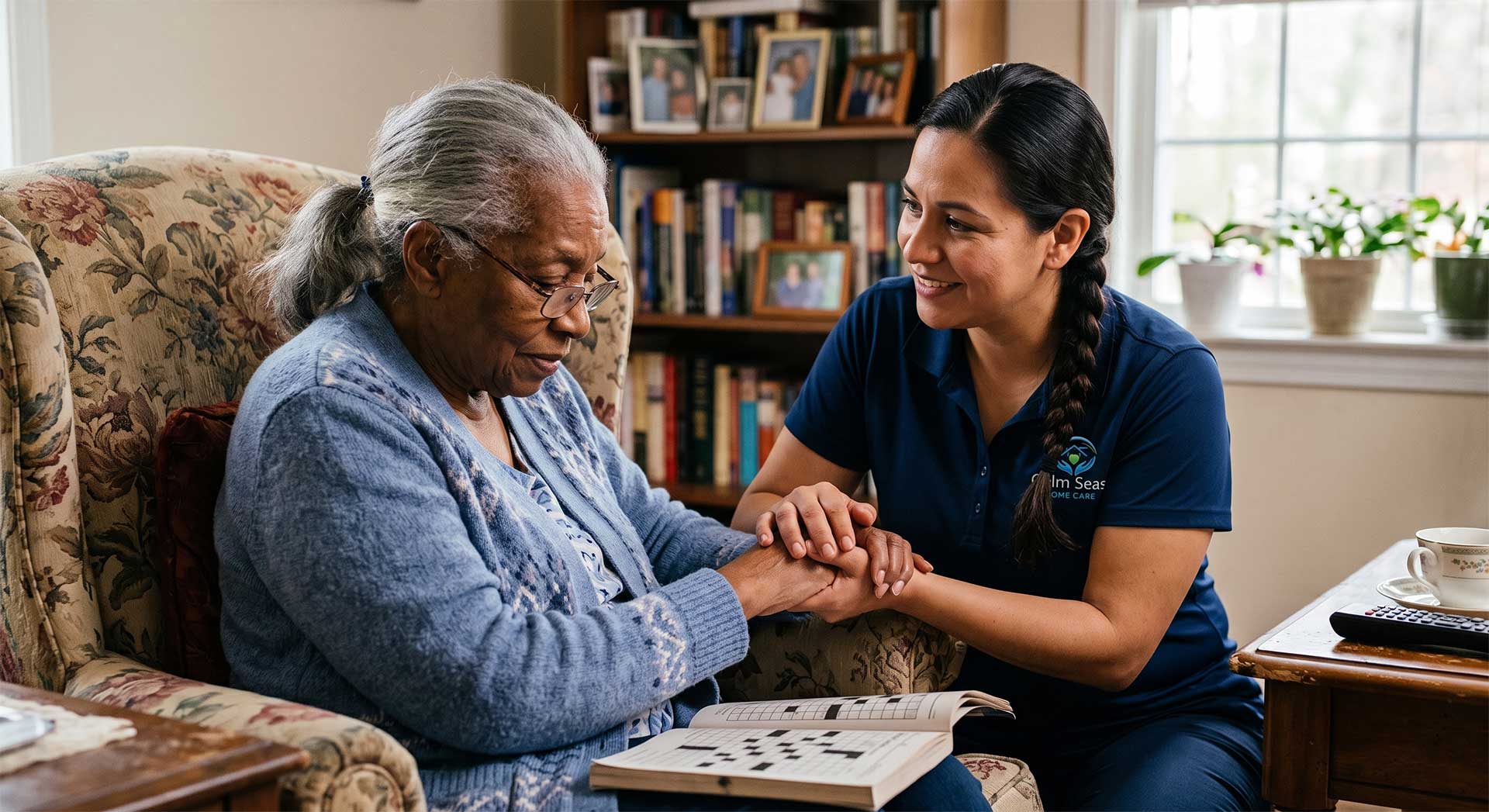
When Is It Time to Consider In-Home Care for an Aging Loved One?
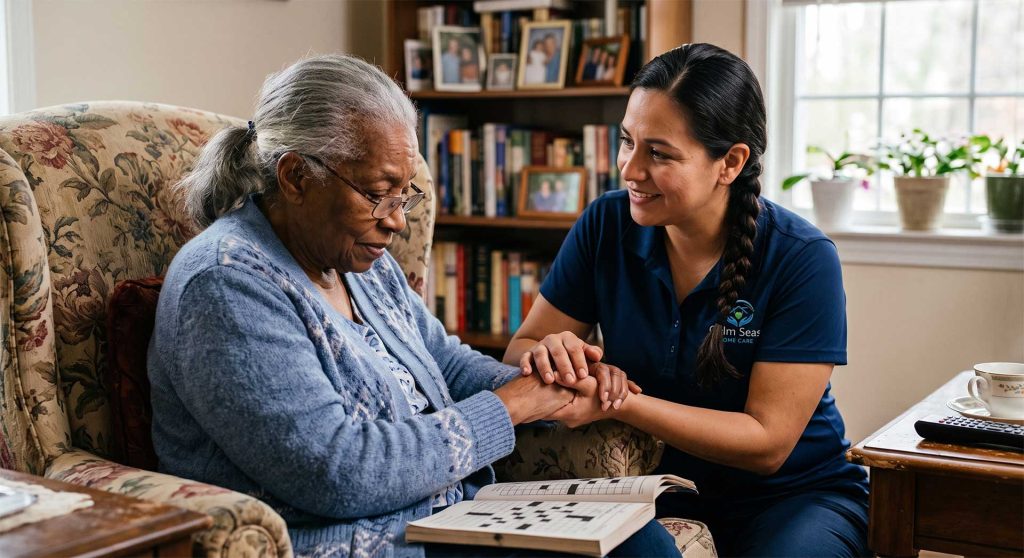
Caring for an aging parent, spouse, or family member often begins gradually. At first, it may be small things: helping with groceries, driving to appointments, checking in more often, or assisting with household tasks. Over time, those needs can increase, and families may begin wondering whether it is time to bring in additional support.
In-home care can help loved ones remain safe, comfortable, and independent at home while giving families peace of mind. The goal is not to take control away from the client. The goal is to provide the right level of help so daily life feels more manageable, respectful, and supported.
Signs Your Loved One May Need Extra Help at Home
Every family situation is different, but there are common signs that may suggest a loved one could benefit from in-home care.
A loved one may need additional support if they are having trouble with bathing, dressing, grooming, preparing meals, keeping up with light housekeeping, remembering appointments, or safely moving around the home. You may also notice more isolation, missed medications, changes in personal hygiene, increased confusion, or difficulty getting to medical appointments and errands.
Sometimes the signs are emotional as much as physical. A loved one may seem lonely, anxious, withdrawn, or less confident doing things they once handled independently. Family caregivers may also begin feeling overwhelmed, especially if they are balancing work, children, distance, or their own health needs.
How In-Home Care Helps
In-home care provides practical support while allowing clients to remain in familiar surroundings. This can include help with personal care, activities of daily living, companionship, transportation, dementia support, and remote patient monitoring assistance.
For many families, in-home care helps fill the gap between complete independence and more intensive care needs. A caregiver may visit for a few hours to help with bathing, meal preparation, companionship, errands, or transportation. For others, care may be more frequent, especially when mobility, memory, or safety concerns are involved.
Personal Care and Daily Routine Support
Personal care can include bathing, grooming, dressing, hygiene, mobility assistance, meal preparation, and light housekeeping. These daily routines can become more difficult with age, illness, surgery recovery, or changing mobility.
A respectful caregiver helps with these tasks in a way that protects dignity and privacy. The right support can make the home feel calmer and safer while helping the client maintain as much independence as possible.
Companionship Matters More Than Many Families Realize
Loneliness can have a major impact on quality of life. Companionship care gives clients someone to talk with, share activities with, and depend on during the day. A caregiver can help with hobbies, conversation, light activities, appointment accompaniment, and emotional support.
For families who cannot always be present, companionship provides reassurance that their loved one is not spending long periods alone without meaningful engagement.
Transportation Support Can Help Preserve Independence
When driving becomes difficult or unsafe, older adults may begin missing appointments, avoiding errands, or becoming more isolated. Transportation support helps clients get to medical visits, pharmacy trips, grocery shopping, social outings, and other approved care-related needs.
This service can be especially helpful when paired with companionship or appointment assistance.
When to Start the Conversation
Families often wait until there is a crisis before seeking help. However, in-home care can be most effective when introduced early. Starting with a few hours of support each week can help a loved one adjust gradually and give the family time to plan ahead.
If you are noticing changes in safety, hygiene, nutrition, mobility, memory, or emotional well-being, it may be time to talk about care options.
Calm Seas Home Care Can Help
Calm Seas Home Care provides compassionate non-medical in-home care for families across Northeast Georgia. Our services are designed around each client’s routines, needs, preferences, and family priorities.
Whether your loved one needs personal care, companionship, transportation, dementia support, or additional connection between physician visits, Calm Seas is here to help families create a care plan that feels respectful, manageable, and right for their loved one.
Activities of Daily Living Aging in Place Aging Loved One Alzheimer’s Care Appointment Assistance Calm Seas Home Care Caregiver Support Companion Care Companionship Care Complex Care at Home Dementia Care Dignity in Home Care Disability Home Care Elderly Companionship Equipment-Assisted Support Home Care Northeast Georgia Home Care Transportation Hoyer Lift Assistance In-Home Care In-Home Care Services In-Home Dementia Care Independent Living Support Memory Care at Home Mobility Assistance Northeast Georgia Home Care Personal Care Personal Care Support RN-Supervised Home Care Senior Care Senior Errands Senior Home Care Senior Transportation Sundowning Transportation Support
Frequently Asked Questions About In-Home Care
Families often begin looking into in-home care when daily routines become harder, safety becomes a concern, or a loved one needs more companionship and support at home. These common questions can help you better understand when care may be helpful and what types of support may be available.
When should a family consider in-home care?
Families may want to consider in-home care when a loved one has difficulty with bathing, dressing, meals, mobility, transportation, household tasks, companionship, or staying safe and comfortable at home. In-home care can also be helpful when family caregivers are feeling overwhelmed or cannot always be present.
What are some signs my loved one may need help at home?
Common signs may include changes in personal hygiene, missed meals, increased clutter, trouble getting around safely, difficulty keeping appointments, loneliness, confusion, or a noticeable decline in confidence with daily routines. Families may also notice that small tasks are taking much longer or becoming stressful.
Does in-home care replace family caregiving?
No. In-home care supports the family by helping with daily routines, companionship, personal care, transportation, and other non-medical needs so family caregivers do not have to manage everything alone. It can give family members time to rest, work, handle other responsibilities, or simply enjoy more quality time with their loved one.
Can in-home care help my loved one remain independent?
Yes. The right level of support can help clients remain safer, more comfortable, and more independent at home while receiving help with tasks that have become difficult. The goal is to support independence, not take it away.
What types of daily tasks can a caregiver help with?
A caregiver may help with personal care, bathing, grooming, dressing, hygiene, mobility support, meal preparation, light housekeeping, companionship, errands, transportation, and appointment assistance. The care plan should be based on the client’s needs, routines, preferences, and family priorities.
Is in-home care only for people with serious medical issues?
No. In-home care can be helpful for people who need non-medical support with daily life, even if they do not have a serious medical condition. Some clients need a few hours of companionship or help with errands, while others may need more regular support with personal care, mobility, or dementia-related routines.
Can in-home care help with loneliness?
Yes. Companionship is an important part of in-home care. A caregiver can provide conversation, emotional support, help with hobbies, appointment accompaniment, and a steady presence during the day. This can be especially helpful for clients who live alone or have become less socially active.
Can caregivers help with transportation?
Yes. Transportation support may include medical appointments, pharmacy trips, grocery shopping, errands, social visits, and other approved care-related needs. Depending on the care plan and family preferences, transportation may be provided using the client’s vehicle or the caregiver’s personal vehicle.
Can care be started gradually?
Yes. Many families begin with a few hours of support each week so their loved one can adjust gradually. Starting early can make care feel more natural and help families plan before a crisis occurs.
How is a care plan created?
A care plan is created by learning about the client’s daily routines, abilities, challenges, preferences, family goals, and support needs. The plan should feel practical, respectful, and personalized so care fits naturally into the home.
Can in-home care support someone with dementia or Alzheimer’s?
Yes. In-home care can support clients living with dementia or Alzheimer’s by helping with structured routines, companionship, safety supervision, gentle redirection, personal care, meals, and family support. Calm, consistent care can help loved ones feel more secure in familiar surroundings.
How do I know how much care my loved one needs?
The right amount of care depends on your loved one’s needs, safety concerns, daily routines, family availability, and comfort level. Some families need occasional help with errands or companionship, while others need more consistent support with personal care, dementia care, or transportation.
What should families do before a crisis happens?
Families should begin the conversation early, watch for changes in daily routines, and consider what support would make life safer and less stressful. Planning ahead can help avoid rushed decisions and make the transition to in-home care smoother for everyone involved.