
How Complex Care at Home Helps Preserve Dignity and Independence

Needing help with a mechanical lift, wheelchair, gait belt, positioning, or personal care should never diminish a person’s sense of identity. When physical needs become more complex, the way assistance is provided matters just as much as the assistance itself.
Complex Care and Equipment-Assisted Support from Calm Seas Home Care is designed to help individuals with greater physical needs remain safe and comfortable in their own homes. Through careful planning, appropriately trained caregivers, and RN-supervised care coordination, clients can receive the assistance they need while their privacy, choices, routines, and dignity remain at the center of care.
Dignity Begins With Seeing the Person, Not the Equipment
Medical and mobility equipment can become a visible part of everyday life, but it should never define the person using it. A client is still a parent, spouse, friend, veteran, neighbor, storyteller, gardener, music lover, or valued member of the community.
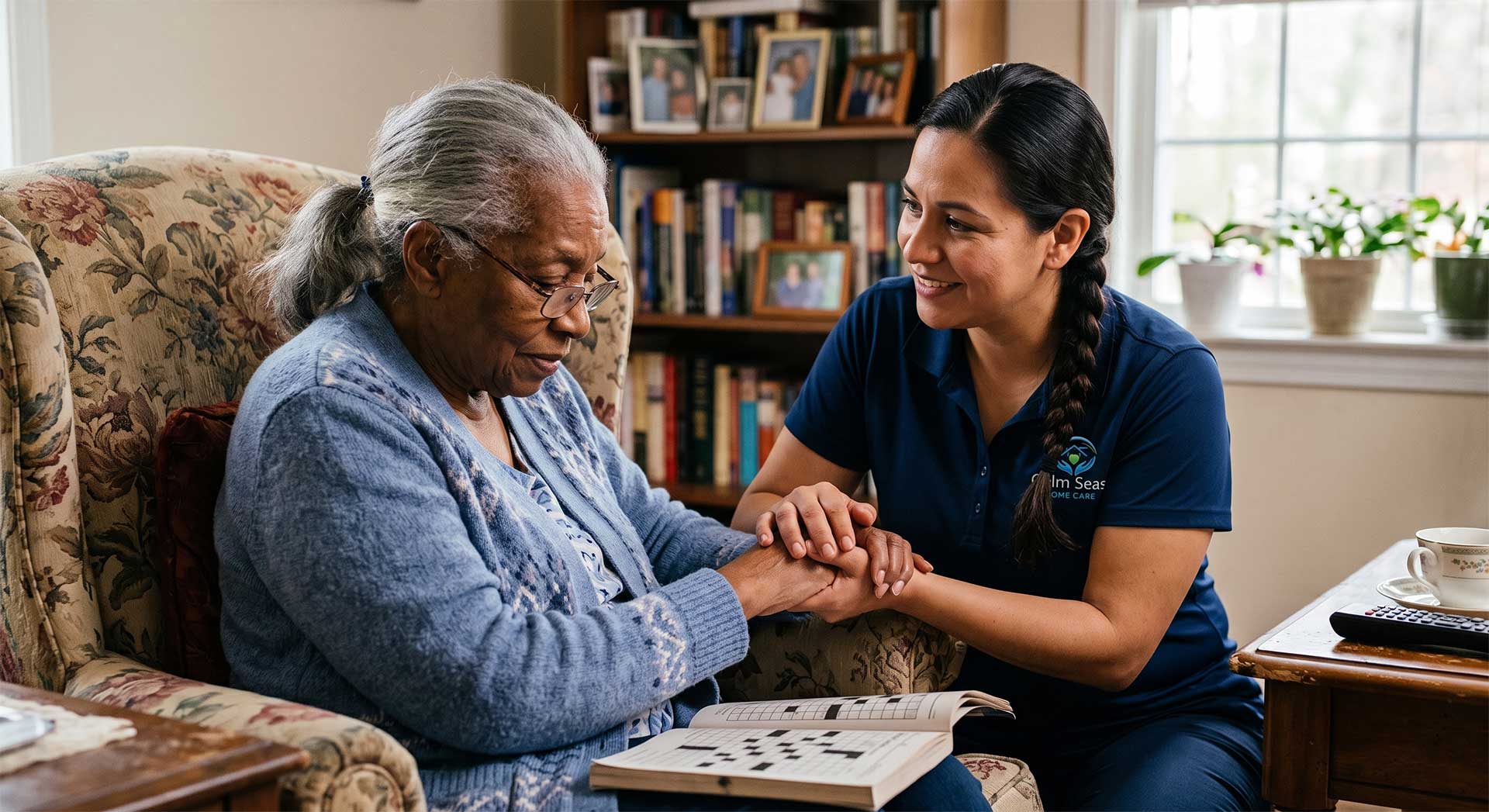
Dignity-centered home care recognizes the whole person. Caregivers take time to learn how the client prefers to move through the day, which routines are important, how they want assistance provided, and what helps them feel most comfortable. This personal approach transforms care from a series of tasks into a respectful partnership.
Remaining at Home Can Protect Familiarity and Choice
Home is filled with familiar surroundings, treasured possessions, meaningful memories, and established routines. For someone living with limited mobility or greater physical needs, remaining at home can provide an important sense of comfort, identity, and control.
Complex care support can help make continued life at home more manageable. Instead of adjusting every part of the day to an unfamiliar environment, clients can receive assistance where they already feel most secure. They may continue waking at their preferred time, wearing the clothes they choose, enjoying familiar meals, and participating in household decisions.
These choices may seem small, but together they help preserve independence and reinforce that the client remains in charge of their own life.
Respectful Assistance With Transfers and Mobility
Transfers can be one of the most physically and emotionally vulnerable parts of a person’s day. Clients may require assistance moving between a bed and wheelchair, changing positions, or safely completing personal care routines. Some may use Hoyer lifts, gait belts, wheelchairs, or other mobility equipment as directed by their care plan.
A calm and respectful caregiver explains what is happening, allows time for questions, protects the client’s privacy, and avoids making the person feel hurried. Whenever possible, the client is encouraged to participate according to their abilities.
Clear communication can make equipment-assisted support feel less clinical and more collaborative. The client is not simply being moved. They are an active participant whose comfort, preferences, and sense of security deserve attention throughout the process.
Personal Care Should Always Protect Privacy
Clients with limited mobility may need extensive assistance with bathing, grooming, dressing, toileting, hygiene, or positioning. These are deeply personal activities, and receiving help with them can initially feel uncomfortable.
Dignified personal care means providing assistance discreetly, covering the client appropriately, explaining each step, and honoring reasonable preferences. It also means never talking over the person, treating them like a task, or assuming they cannot make decisions simply because they need physical help.
A caregiver’s tone, patience, and attentiveness can make a meaningful difference. When assistance is offered with compassion and respect, personal care can help a client feel refreshed, confident, and prepared for the day.
Supporting Ability Instead of Focusing Only on Limitations
Complex physical needs do not mean a person has lost every ability. A client may need significant help with transfers while still being able to choose clothing, participate in grooming, direct the caregiver, or complete part of a daily task independently.
Good home care identifies what the client can safely do and supports those abilities. Caregivers provide help where it is needed without automatically taking over every part of the routine. This approach can strengthen confidence and help clients maintain a greater sense of control.
Independence does not always mean doing everything without assistance. Sometimes it means having the right support to continue making choices, participating in daily life, and living in the place that feels like home.
Consistency Helps Build Trust
Trust is especially important when care involves transfers, mobility equipment, positioning, and personal hygiene. Clients need to feel confident that their caregiver understands the care plan, respects their preferences, and will provide assistance in a calm and consistent manner.
Consistency also allows caregivers to become familiar with the client’s routines and communication style. They may recognize which approach helps the client feel most secure, when additional time is needed, or when a concern should be shared with the appropriate family member or care supervisor.
Over time, this familiarity can reduce anxiety and help daily care feel more predictable and comfortable.
RN-Supervised Care Planning Adds Reassurance
Every client’s physical abilities, equipment, home environment, and support needs are different. Calm Seas begins complex care services with an in-home assessment so the care plan can reflect the individual rather than relying on a one-size-fits-all approach.
Complex care plans are developed and overseen by the Calm Seas RN Care Supervisor. This helps ensure that caregivers are appropriately matched and trained before care begins. Calm Seas can also coordinate with families, therapists, and other care providers involved in the client’s care so everyone understands the established plan.
This thoughtful preparation supports safety and consistency while giving clients and families greater reassurance about the care being provided at home.
Complex Care Can Support the Entire Family
Family members often provide extraordinary amounts of care, but equipment-assisted transfers and extensive daily support can become physically and emotionally demanding. A spouse or adult child may worry about completing a transfer safely, preventing falls, protecting the client’s skin, or balancing caregiving with work and other responsibilities.
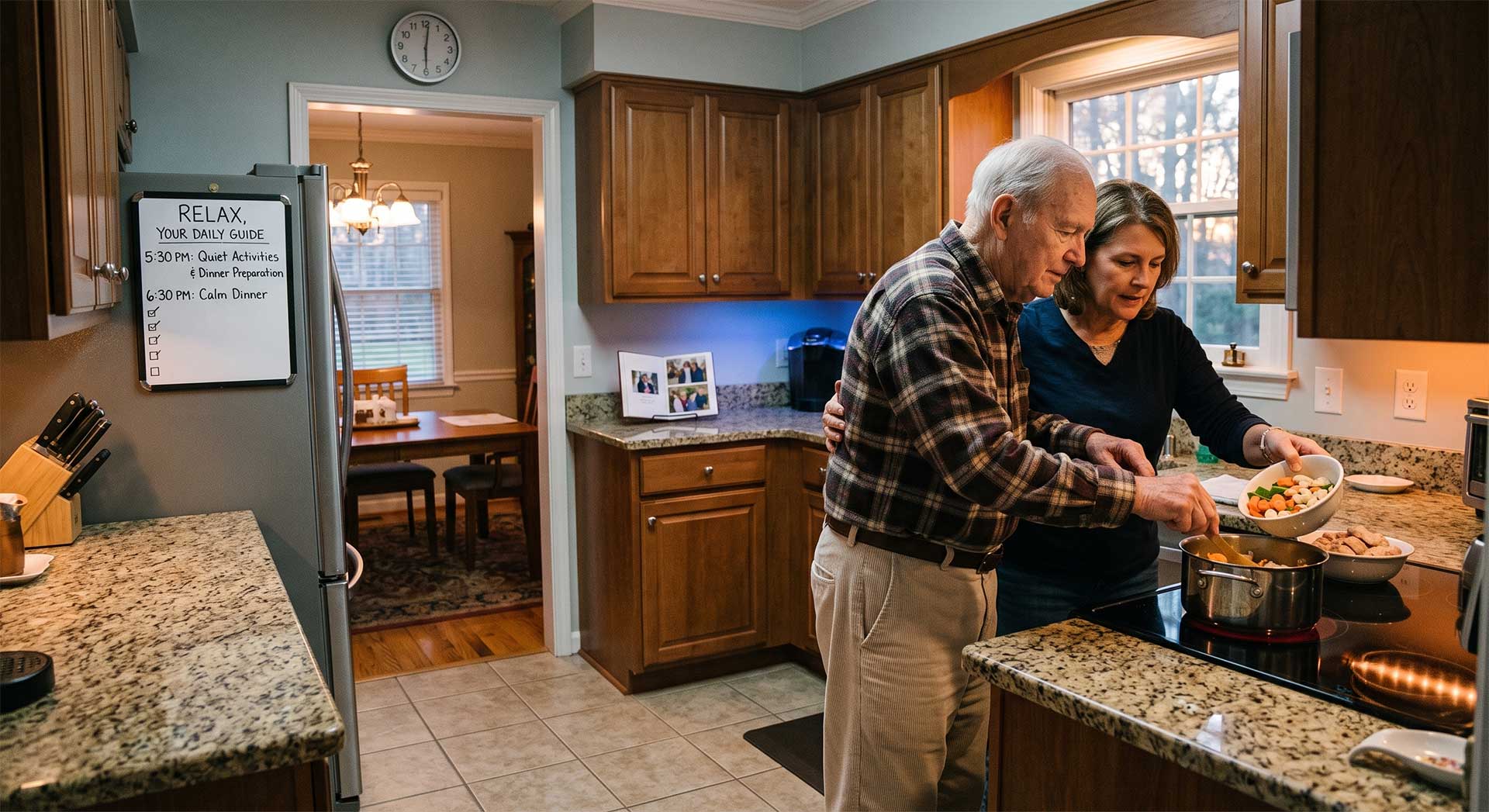
Professional home care can share some of that responsibility. It gives family caregivers time to rest, attend appointments, manage other obligations, or spend time with their loved one without every interaction revolving around physical care.
Accepting help is not a failure of family caregiving. It can be a compassionate decision that protects the well-being of both the client and the people who love them.
What Complex Care and Equipment-Assisted Support May Include
Depending on the client’s assessment, established care plan, equipment, and individual needs, support may include:
- Safe transfers using Hoyer lifts or other mechanical lift equipment
- Mobility assistance involving gait belts and wheelchairs
- Help with positioning and comfortable changes in position
- Personal hygiene and grooming for clients with limited mobility
- Extensive assistance with activities of daily living
- Fall-prevention awareness and home safety monitoring
- Coordination with family members, therapists, and other care providers
- Consistent support based on an RN-supervised care plan
Because every situation is different, services begin by confirming the client’s needs and ensuring caregivers are appropriately matched and prepared.
Compassionate Complex Care in Northeast Georgia
Calm Seas Home Care provides compassionate, non-medical in-home support for families throughout Northeast Georgia. As a local, female veteran-owned home care provider, Calm Seas approaches complex care with careful planning, skilled oversight, and deep respect for every client.
Needing equipment-assisted support does not take away a person’s dignity. With the right care, clients can continue to be heard, involved, respected, and supported in the place they know best.
Activities of Daily Living Aging in Place Aging Loved One Alzheimer’s Care Appointment Assistance Calm Seas Home Care Caregiver Support Companion Care Companionship Care Complex Care at Home Dementia Care Dignity in Home Care Disability Home Care Elderly Companionship Equipment-Assisted Support Home Care Northeast Georgia Home Care Transportation Hoyer Lift Assistance In-Home Care In-Home Care Services In-Home Dementia Care Independent Living Support Memory Care at Home Mobility Assistance Northeast Georgia Home Care Personal Care Personal Care Support RN-Supervised Home Care Senior Care Senior Errands Senior Home Care Senior Transportation Sundowning Transportation Support
Frequently Asked Questions About Complex Care at Home
Families often have questions about equipment-assisted support, caregiver training, safety, and how complex care can help preserve a loved one’s dignity at home. The following answers explain how Calm Seas approaches these important needs.
What is complex care and equipment-assisted support?
Complex care and equipment-assisted support provides non-medical personal care for clients with greater physical needs. It may include assistance with mechanical lift transfers, mobility equipment, positioning, personal hygiene, grooming, and other activities of daily living included in the client’s care plan.
How does complex home care help preserve dignity?
Dignity-centered care protects privacy, respects personal preferences, explains assistance before it is provided, and encourages the client to participate according to their abilities. Caregivers focus on the person rather than defining them by their physical limitations or equipment.
Can Calm Seas caregivers assist with Hoyer lift transfers?
Calm Seas can support clients who require transfers using Hoyer lifts and other mechanical lift equipment when the assistance is included in the established care plan. Caregivers are matched and trained appropriately before complex care services begin.
What other mobility equipment can caregivers assist with?
Depending on the client’s assessment and care plan, assistance may involve gait belts, wheelchairs, mechanical lifts, and positioning support. Because equipment and mobility needs differ, Calm Seas evaluates each situation before assigning and preparing caregivers.
Is a care assessment completed before services begin?
Yes. Calm Seas begins with an in-home assessment to understand the client’s abilities, equipment, home environment, daily routines, safety concerns, and level of assistance needed. This information helps guide caregiver matching, training, and care planning.
Who oversees a complex care plan?
Complex care plans are developed and overseen by the Calm Seas RN Care Supervisor. This oversight helps ensure the plan is appropriate, caregivers are properly prepared, and support remains consistent with the client’s established needs.
Can Calm Seas coordinate with therapists and other care providers?
Yes. Calm Seas can work with families, therapists, and other providers involved in the client’s care to help everyone remain aligned with the established care plan, mobility needs, and support routines.
Can a client remain involved in daily care decisions?
Yes. Clients should be encouraged to communicate their preferences, make choices, and participate in daily routines to the extent they are safely able. Needing physical assistance does not eliminate a person’s right to be heard and involved in their care.
Does complex home care replace medical or skilled nursing care?
No. Calm Seas provides non-medical in-home care. Complex care services can complement the work of physicians, therapists, home health professionals, and other clinical providers, but they do not replace medical treatment or skilled nursing services.
How can complex home care help family caregivers?
Professional caregiving support can reduce some of the physical and emotional demands placed on family members. It can provide reassurance that established routines are being followed while giving family caregivers time to rest, work, attend appointments, or enjoy more meaningful time with their loved one.
Who may benefit from equipment-assisted support at home?
This service may benefit individuals with significant mobility limitations, those who need mechanical assistance with transfers, and clients who require extensive help with personal care or daily activities. An assessment helps determine whether Calm Seas can safely and appropriately support the individual’s needs.
How can my family learn more about complex care from Calm Seas?
Families can contact Calm Seas Home Care to discuss their loved one’s physical needs, mobility equipment, routines, and home environment. The Calm Seas team can explain the assessment process and determine whether its complex care services are an appropriate fit.